When parents hear “improv,” they may picture a kid cracking jokes and trying to be the funniest person in the room. But improv isn’t a comedy contest, and your child doesn’t need to be a class clown to enjoy it.
At its heart, improvisation is practice in responding to what’s happening right now. A scene changes, a partner adds an unexpected idea, or the plan falls apart. What next? Listen, stay open, and find a way forward. Those moments can be funny, heartfelt, surprising, or all three.
The quick-thinking skill behind the laughs
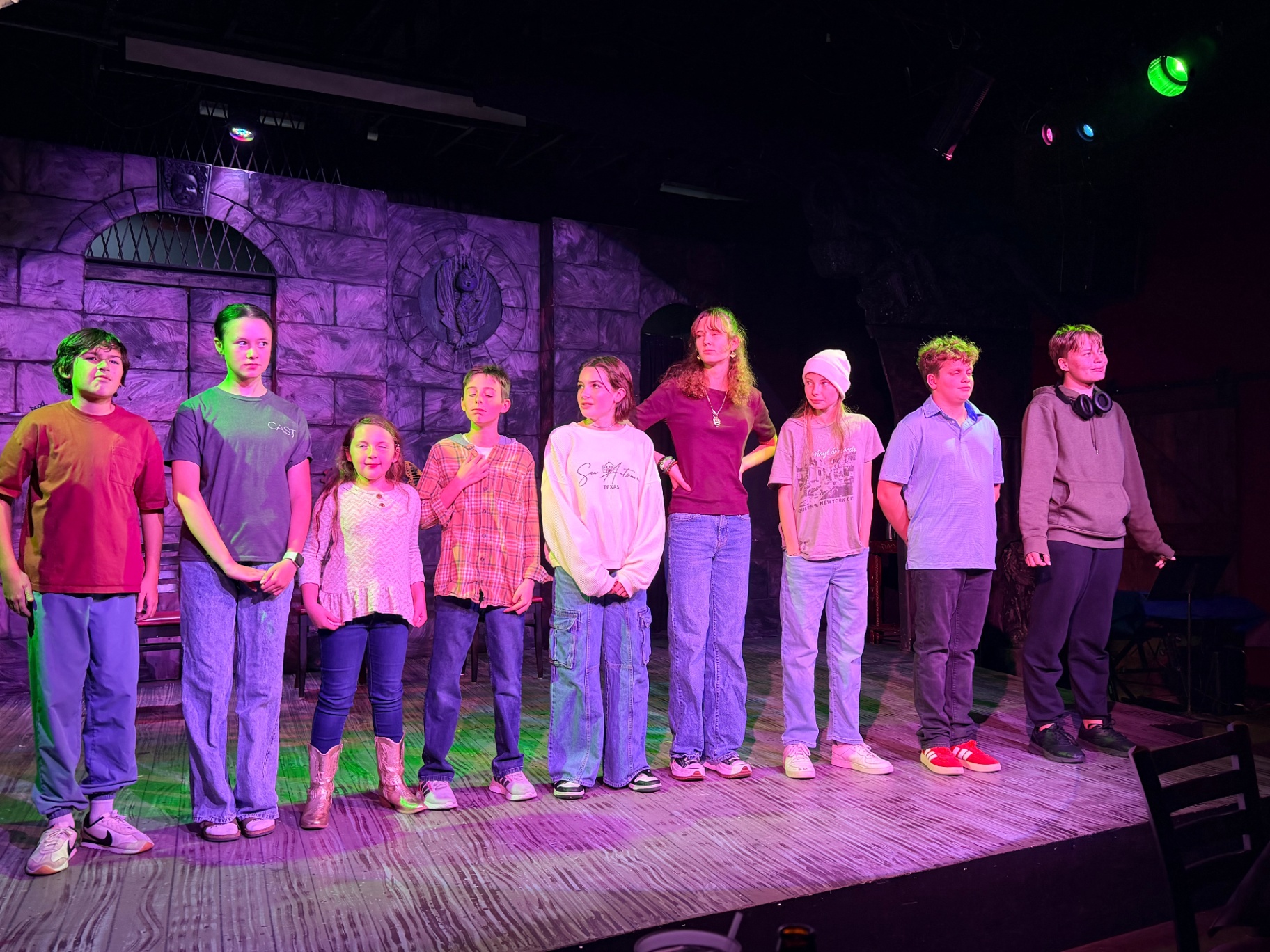
Improv gives kids repeated, low-pressure opportunities to make choices without knowing exactly what will happen. They listen for details, build on someone else’s contribution, and adapt when a scene takes a turn. In other words, they’re not just making up jokes. They’re practicing flexible thinking.
That kind of practice has natural connections to everyday situations: answering a question in class, adjusting when a group project changes direction, making a decision during a game, or finding words in a new social situation. Improv isn’t a shortcut to instant confidence or a guarantee of faster thinking. It does give kids a playful place to rehearse listening, responding, and recovering when things don’t go as planned.
Research offers promising support for some of these skills. A study of middle-school students found improvements in aspects of divergent thinking after an improvisational theater program (study in Thinking Skills and Creativity). Experiments with adults found that brief improv activities were associated with gains in divergent thinking and tolerance of uncertainty (study in Thinking Skills and Creativity). A controlled study of children ages 8–11 reported positive effects on self-concept (ArtsEdSearch research summary). These findings are encouraging, though they don’t prove improv makes every child universally quicker or more confident.
“Yes, and” means listening, not saying yes to everything
One familiar improv tool is “Yes, and.” It means accepting the idea your scene partner offers and adding something that helps the story move forward. To do that, a student has to pay attention, notice what their partner contributed, and respond in a way that keeps the collaboration going.
It’s a stage skill, but it’s also a useful way to practice teamwork. Kids learn that they don’t have to control every moment or have the perfect answer ready. They can contribute one small idea, build on someone else’s, and let the scene develop together.

A welcoming place to try it
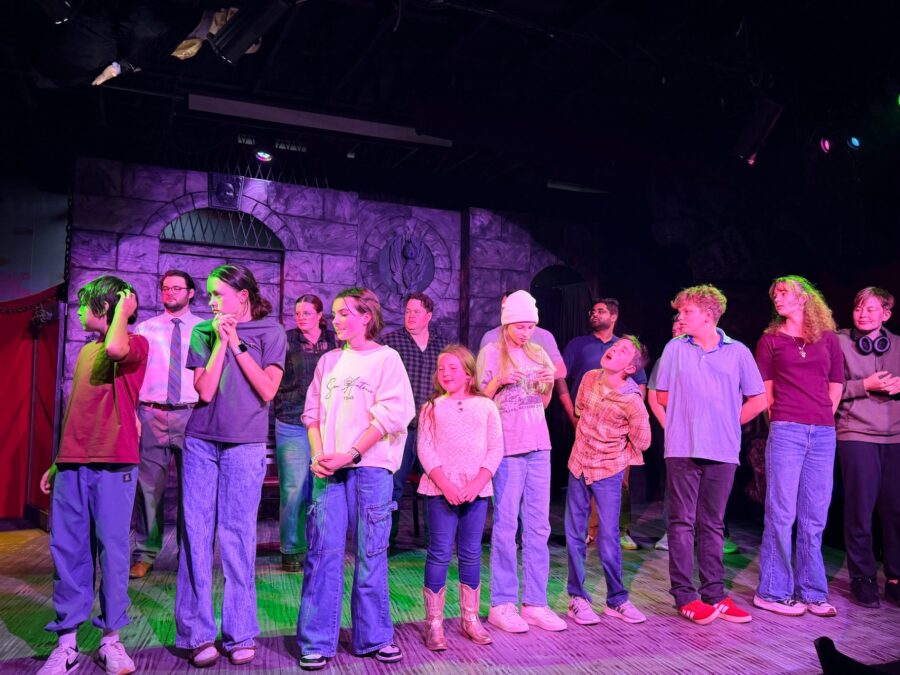
Rockwall Acting’s Improv for Everyone meets Mondays from 6:30–7:25 p.m. with John for ages 8–18; tuition is $90 per month. The studio also lists Wednesday improv classes for middle school and high school students. Classes are designed for all skill levels, so beginners don’t need a comedy background, or any performance experience, to get started.
For students ready to take the next step, Off Script Improv Performance Group offers advanced games, skits, and local performance opportunities. It is audition- or recommendation-based, costs $75 per month, and requires enrollment in a weekly improv class. Students have the opportunity to perform at least four times a year.
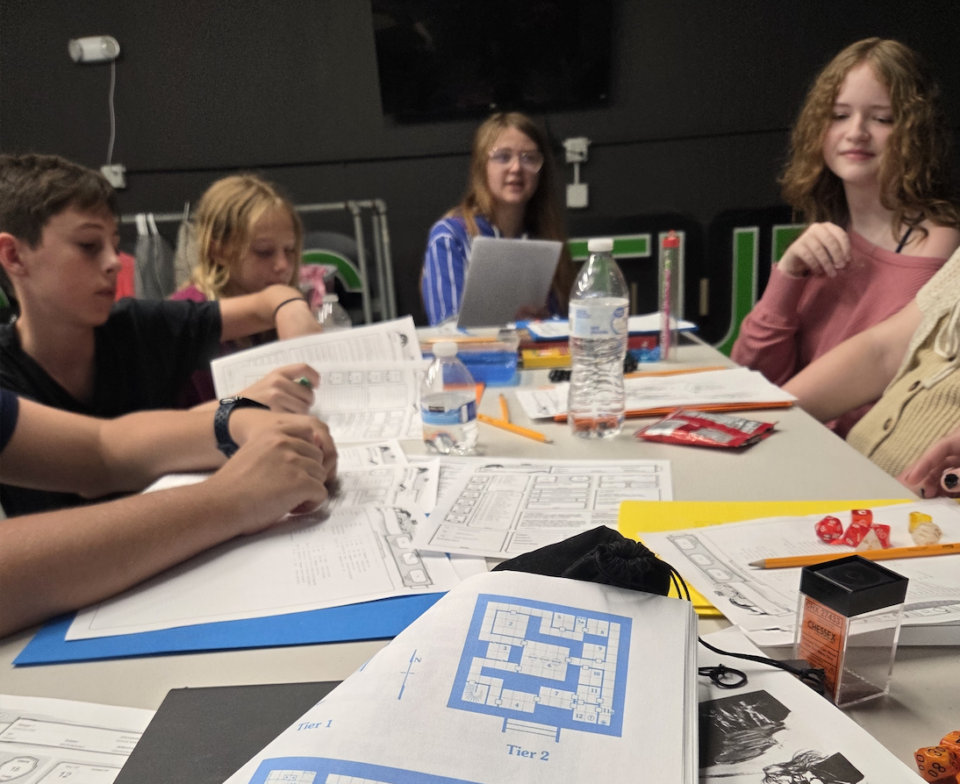
There’s a similar creative muscle in tabletop role-playing: players listen, make choices as characters, and adapt the story together. Rockwall Acting’s Dungeons & Dragons program lists one-shots on November 7 and 14, from 1–4 p.m., and a December mini camp December 28–30, from noon–3 p.m.
Improv isn’t about being the funniest kid in the room. It’s about staying present, sharing ideas, and discovering that a surprise can be the start of something wonderful. Explore the class schedule, register online, or contact Rockwall Acting with questions.