
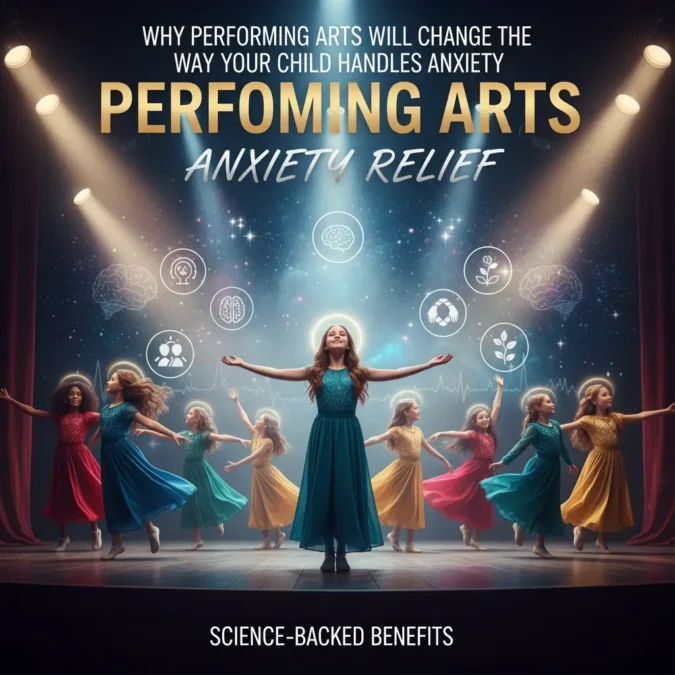
If you're watching your child struggle with anxiety: whether it's about school presentations, social situations, or just daily stress: you're not alone. Childhood anxiety rates have skyrocketed,[13,14] with many parents feeling helpless about how to help their kids develop healthy coping mechanisms. But here's something that might surprise you: one of the most powerful tools for managing anxiety isn't found in a therapist's office or a prescription bottle: it's on the stage.
Research consistently shows that performing arts don't just entertain kids; they fundamentally rewire how children process stress and build confidence.[1-6] At Rockwall Acting, we've seen this transformation happen countless times, and the science backs up what we witness in our studios every day.
The Science Behind Performing Arts and Anxiety Relief
When children participate in theater, music, or dance, something remarkable happens in their brains. Studies have demonstrated that performing arts can reduce anxiety levels by up to 62%, with 55% of participants showing improved coping strategies and 50% experiencing decreased stress hormones.[1-5,10-12] These aren't just temporary mood boosts: they're measurable, long-lasting changes in how children handle pressure.
The magic happens because performing arts engage multiple anxiety-fighting mechanisms simultaneously. Unlike traditional talk therapy, which relies heavily on verbal processing, the arts provide what researchers call "embodied learning": children literally practice managing stress through their entire being: voice, body, emotions, and mind.[1,2]
When your child steps onto our stage for the first time, their nervous system is learning that they can feel scared and still succeed. Every rehearsal becomes a low-stakes practice session for handling real-world anxiety triggers.
Building Unshakeable Confidence Through Performance
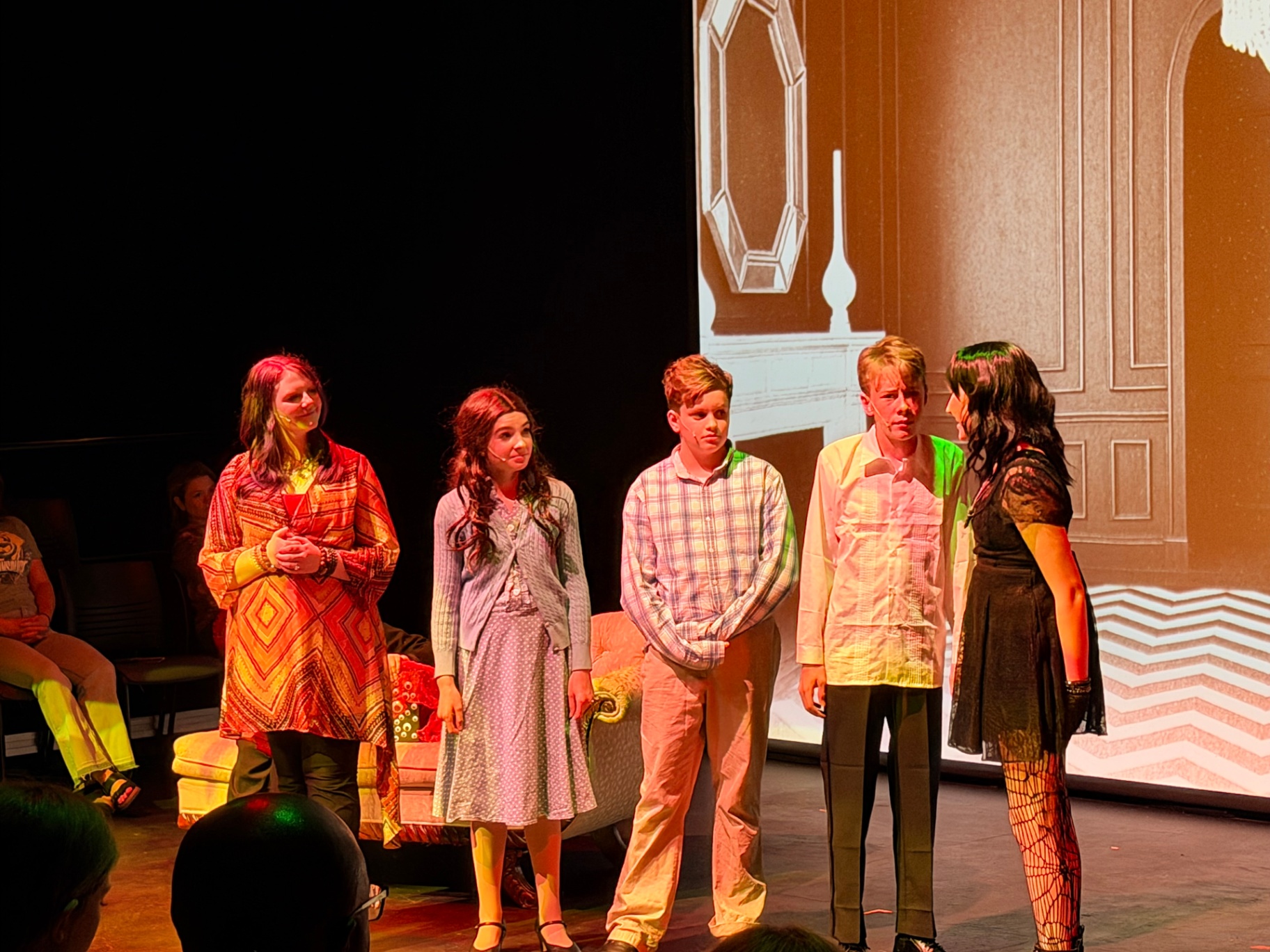
One of the most powerful anxiety antidotes is genuine self-confidence, and performing arts deliver this in spades. Unlike academic settings where there are "right" and "wrong" answers, theater celebrates individual interpretation and creative risk-taking. This removes the fear of judgment that often paralyzes anxious children.[6,7]
At Rockwall Acting, we've watched shy kids transform into confident speakers, not because we forced them out of their shells, but because we gave them a safe space to discover their own voices. When a student masters a challenging monologue or nails a difficult dance sequence, they're not just learning performance skills: they're building concrete evidence that they can handle difficult situations and come out successful.
The confidence boost is particularly dramatic for children who struggle with social anxiety. Theater teaches kids that it's not only acceptable to express themselves boldly: it's celebrated. This lesson carries over into classroom presentations, job interviews years down the road, and everyday social interactions.[6]
Emotional Outlets That Actually Work
Anxiety often stems from bottled-up emotions that children don't know how to express or process. Performing arts provide multiple channels for healthy emotional release. Through character work, students can explore challenging feelings from a safe psychological distance. When a child plays an angry character or a sad character, they're learning to recognize and manage these emotions in themselves.[1-3]
Singing, in particular, offers unique physiological benefits for anxiety management. The deep breathing techniques required for proper vocal production directly counteract the shallow, rapid breathing that triggers panic attacks.[9-12] Many of our students report that they use their breathing exercises from voice class to calm down during stressful moments at school or home.
Dance and movement work provide immediate stress relief by engaging the body's natural fight-or-flight response in a positive way. Instead of anxiety energy getting trapped and creating physical tension, kids learn to channel that energy into creative expression.[3,4]
Real-World Skills That Transfer Beyond the Stage
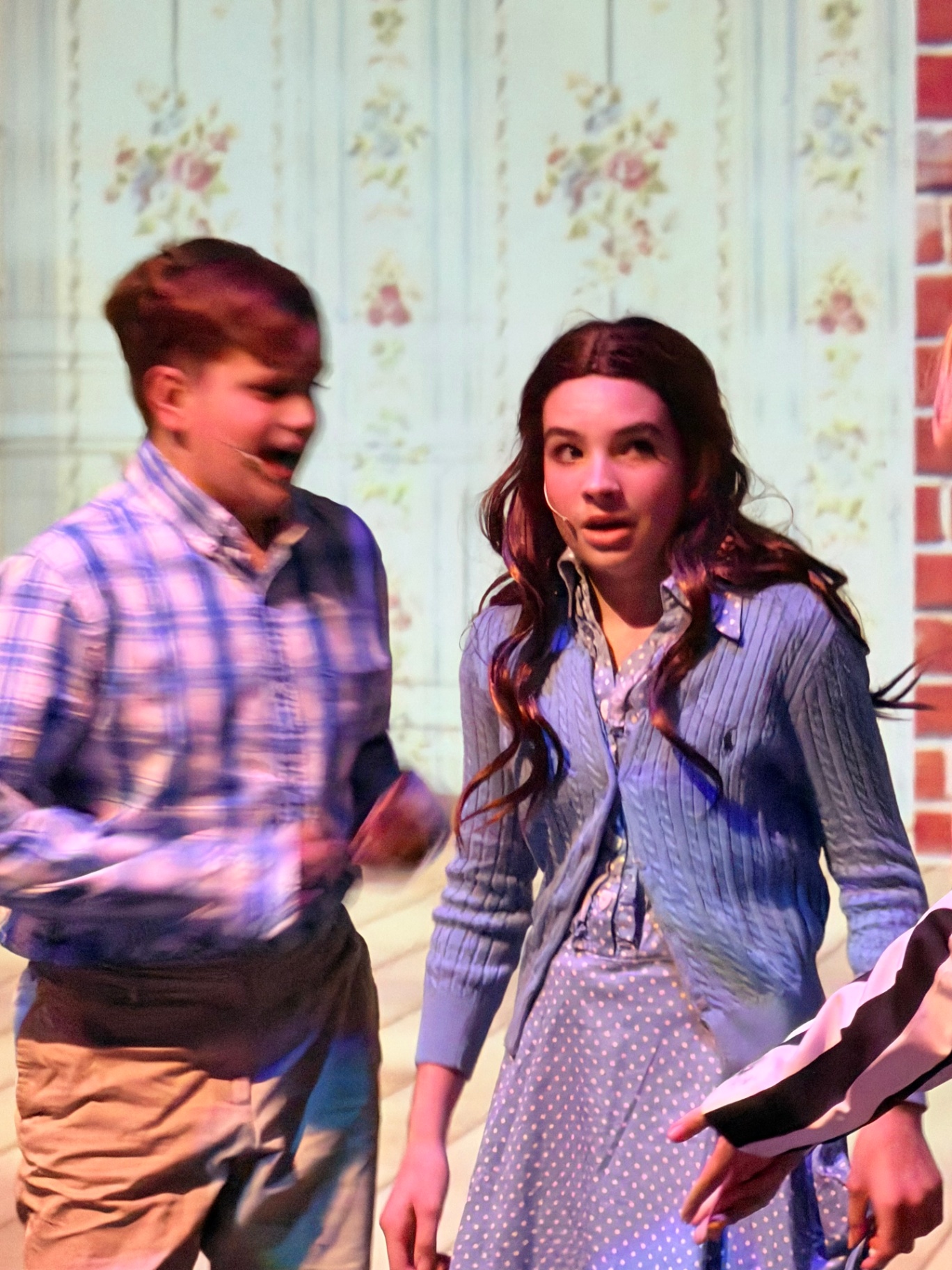
The skills children develop in performing arts classes aren't just useful for entertainment: they're life skills that directly combat anxiety in everyday situations. Communication skills, emotional regulation, teamwork, and resilience all get strengthened through consistent arts practice.[3,4,6]
Parents frequently tell us they're amazed at how their child's anxiety around school presentations disappears after a few months of theater classes. That's because we're not just teaching kids to memorize lines: we're teaching them to be comfortable being seen, heard, and even making mistakes in front of others.
The collaborative nature of theater also helps children with social anxiety. Working on productions requires students to support each other, give and receive feedback, and work together toward a common goal. These experiences build the social confidence that many anxious children lack.[3,6]
The Physical Benefits You Can't Ignore
Research shows that performing arts trigger the release of endorphins: the brain's natural mood elevators: while simultaneously reducing cortisol levels.[10-12] This means your child isn't just feeling better temporarily; their stress response system is actually recalibrating to be less reactive over time.
The physical demands of performance also help children develop body awareness and control. Many anxious children experience physical symptoms like headaches, stomachaches, or muscle tension. Learning to use their bodies expressively helps them recognize these signals earlier and respond more effectively.[4]
Why Live, In-Person Classes Make the Difference
While online classes became popular during the pandemic, there's no substitute for the energy and connection of live performance training. The immediate feedback from instructors, the spontaneous moments of discovery, and the shared excitement of working toward a live performance create an environment that simply can't be replicated virtually.
At Rockwall Acting, our students benefit from working with industry professionals who understand both the technical aspects of performance and the developmental needs of young people. Our instructors know how to push students just enough to build confidence without overwhelming them.
The live audience experience is particularly crucial for anxiety management. There's something transformative about facing your fears in front of real people and discovering not only that you can handle it, but that it can be genuinely enjoyable.
Getting Started: What Parents Need to Know
If you're considering performing arts as a tool for helping your child manage anxiety, the good news is that you don't need any prior experience. Our programs at Rockwall Acting are designed to meet students where they are, whether they're complete beginners or have some background.
The key is choosing a program that prioritizes emotional safety and personal growth alongside skill development. Look for instructors who understand that the goal isn't to create professional performers, but to help children develop confidence, resilience, and joy.
Many parents worry that performing arts might actually increase their child's anxiety by putting them "on the spot." In reality, quality programs like ours gradually build comfort levels through supportive exercises, ensemble work, and carefully structured progression toward performance opportunities.
Your Child's Transformation Starts Here
The research is clear: performing arts provide one of the most effective, enjoyable, and comprehensive approaches to anxiety management available to young people. The combination of creative expression, physical engagement, emotional processing, and confidence-building creates lasting changes that extend far beyond the theater.[1-6,8-12]
At Rockwall Acting, we're not just teaching kids to perform: we're giving them tools they'll use for the rest of their lives. Every child who walks through our doors has the potential to discover their voice, build their confidence, and learn that they're capable of handling whatever challenges come their way.
Ready to see what performing arts can do for your child's anxiety and overall confidence? Contact us to learn more about our programs, or check out our upcoming classes to find the perfect fit for your young performer. The transformation you're hoping to see might be just one audition away.
References
- Berghs, M., Prick, A.-E. J. C., Vissers, C., & van Hooren, S. (2022). Drama Therapy for Children and Adolescents with Psychosocial Problems: A Systemic Review on Effects, Means, Therapeutic Attitude, and Supposed Mechanisms of Change. Children, 9(9), 1358. https://mdpi-res.com/d_attachment/children/children-09-01358/article_deploy/children-09-01358-v2.pdf
- A systematic review of dramatherapy interventions used to alleviate emotional distress and support the well-being of children and young people aged 8–18 years old (2023). https://pmc.ncbi.nlm.nih.gov/articles/PMC10501692/
- Moula, Z., Powell, J., & Karkou, V. (2022). Qualitative and Arts-Based Evidence from Children Participating in a Pilot Randomised Controlled Study of School-Based Arts Therapies. Children, 9(7), 890. https://mdpi-res.com/d_attachment/children/children-09-00890/article_deploy/children-09-00890.pdf
- Moula, Z. (2022). Feasibility, acceptability, and effectiveness of school-based dance movement psychotherapy for children with emotional and behavioral difficulties. Frontiers in Psychology. https://www.frontiersin.org/articles/10.3389/fpsyg.2022.883334/pdf
- Corbett, B. A., et al. (2016). Changes in anxiety following a randomized control trial of a theatre-based intervention for youth with autism spectrum disorder. https://pmc.ncbi.nlm.nih.gov/articles/PMC5633032/
- Felsman, P., Seifert, C. M., Sinco, B., & Himle, J. A. (2022). Reducing Social Anxiety and Intolerance of Uncertainty in Adolescents with Improvisational Theater. The Arts in Psychotherapy. https://www.sciencedirect.com/science/article/pii/S019745562200106X
- Improvisational theater classes improve self-concept (2024). APA PsycNet. https://psycnet.apa.org/doi/10.1037/aca0000260
- Kim, B. S., Kim, H., & Kim, J. Y. (2024). Effects of a choral program combining wind instrument performance and breathing training on respiratory function, stress, and quality of life in adolescents: A randomized controlled trial. PLOS ONE. https://journals.plos.org/plosone/article/file?id=10.1371%2Fjournal.pone.0276568&type=printable
- Cavanagh, K., et al. (2023). Effect of breathwork on stress and mental health: A meta-analysis. Scientific Reports. https://www.nature.com/articles/s41598-022-27247-y
- Kreutz, G., et al. (2004). Effects of Choir Singing or Listening on Secretory Immunoglobulin A, Cortisol, and Emotional State. https://www.academia.edu/10013867/Effects_of_Choir_Singing_or_Listening_on_Secretory_Immunoglobulin_A_Cortisol_and_Emotional_State
- Fancourt, D., et al. (2016). Singing modulates mood, stress, cortisol, cytokine and neuropeptide activity in cancer patients and carers. https://pmc.ncbi.nlm.nih.gov/articles/PMC4854222/
- NIH. Singing – health effects overview (2021). https://pmc.ncbi.nlm.nih.gov/articles/PMC8574089/
- U.S. HHS (2022). New HHS Study in JAMA Pediatrics Shows Significant Increases in Children Diagnosed with Mental Health Conditions from 2016 to 2020. https://www.hhs.gov/about/news/2022/03/14/new-hhs-study-jama-pediatrics-shows-significant-increases-children-diagnosed-mental-health-conditions-2016-2020.html
- PRB (2022). Anxiety and Depression Increase Among U.S. Youth, 2022 KIDS COUNT Data Book Shows. https://www.prb.org/resources/anxiety-and-depression-increase-among-u-s-youth-2022-kids-counts-data-book-shows/